

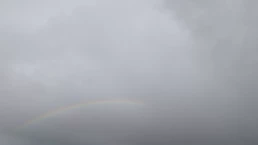
The Moment He Floated Free
The Moment He Floated Free
Sometimes liberation arrives quietly.
Sometimes it comes in a single breath, in a moment when the body finally feels safe enough to let go.
This poem explores the tender edge between joy and doubt, safety and fear, and the beautiful moment a person feels themselves float free—held by nature, breath, and the depth of their own healing.
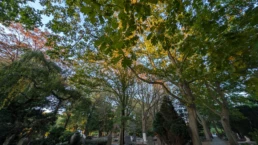
And also the trees swayed with their branches
to welcome him.
And also the trees swirled with their leaves
to welcome him.
With his wide smile and wet eyes, he entered.
He entered with a deep sense of joy and
doubt.
Joy and doubt. Joy and doubt.
Joy of liberation. Joy from safety.
Joy from the liberation of unsafety
that has shadowed him lifelong.
Joy from the deep release
that’s just been liberated
after a life sentence.
Joy and doubt. Joy and doubt.
Could this really be it?
Could this really be the feeling of liberation?
Could it be the feeling of safety
and the liberation from it?
Have I truly been liberated from it?
Or might I have liberated myself
off those chains?
No, no, I am not.
It is temporary, it won’t last.
No, no, I am illusive,
it is illusive, life is illusive.
No, no, it can’t be.
For if it is,
who am I now, then?
And also the waves hugged one another
and embraced themselves
the ocean in celebration.
They celebrated his arrival,
his joy and his doubt.
They have traveled
from the depth of themselves
to the shores in ultimate happiness.
They have traveled with pleasure and joy
to show their glamour for such an occasion.
They have traveled with gratitude
and humility
for the liberated one.
His face lit up,
his lips drew a wide smile,
and his body brightened
with excitement.
He saw the ocean coming to him,
the trees swaying for him,
and his own freedom
from his unsafe feeling
leaving him.
He saw,
he felt,
he closed his eyes
and he breathed.
He breathed the love,
the joy,
the softness of the trees
and the ocean.
He breathed the oneness
of all that there was,
is,
and will be.
He breathed with such liberation,
his abdomen relaxed,
his breath became lighter,
and his hands unwrapped.
He breathed,
and for a moment
his whole being felt floating.
Floating with nothing pulling it down
no baggage,
no precipitate,
no attachment.
For just a moment,
he felt freedom in its deepest forms.
Just for a moment.
Enjoy my other reads:
Learning to Love the Self That Suffers. On this link.
Finding Love and the Journey and the Road. On this link.
How to Transform Self-Sabotage with Mindfulness and Love? On this link.
Emotional Identity and Pain: Who Are You Without the Struggle? On this link.
External Resources:
Zen & Engaged Buddhism:

Learning to Love the Self That Suffers
Learning to Love the Self That Suffers
In his day dreams, he’s seen it all.
Since young, since before he’s seen it, he has seen it all.
Running away from his present and escaping his past—
that of which he had not known back then,
that it had even hurt him—
he fell into day dreaming.
Day dreaming of a future of love, happiness, and joy.
Yet, he ran away from his pain in that present moment
into day dreaming.
Every day he’d day dream
a continuation—
sometimes a heartbreak,
sometimes a new relationship,
and sometimes anything that could numb the pain that was present:
the sadness, the loneliness,
and the deep awareness of his incapabilities
to build friendships or relationships.
He knew very deep inside, as an insight,
how fragile, insecure he was,
but had one tool only:
to escape to his beautiful day dreams.
A day dream with wealth,
with a caring partner and a loving group of friends.
Or a day dream with a powerful position and loving partner,
and being a fair and loving ruler.
Or another with love, betrayal, and heartbreak.
All that he missed, he dreamt about.
All that he longed for, he dreamt about.
All that he thought would bring him happiness, joy, and love.
Meanwhile, the present kept ticking—
and the days, the weeks, the months,
and the years kept pouring by,
and he kept letting them pass by
like a river over pebbles.
He dreamt of being an emperor, a fair one,
a lover, a husband, a father, a friend, a carer,
and so much more.
He dreamt of being and feeling secure, safe, and loved.
He dreamt of being taken care of,
of being saved,
of being rescued.
He walked in his eyes
the path of a Buddha, of a Bodhisattva—
but he was day dreaming all along this time.
Years passed, seasons switched and turned,
and he dreamt his years away.
He’d dreamt not to feel;
he dreamt to avoid the pain,
the suffering,
the deep wounds from very early on.
And the feelings remained.
The pain remained.
And the wounds remained—
unhealed, untouched, unattended for,
for so many years.
The pain remained there,
and so did the day dreaming.
Every moment he had difficulties,
he went into day dreaming.
A young teenager,
a teenager,
a young adult into adulthood—
he day dreamed his life away,
afraid of feeling,
afraid of touching the pain,
loving the pain
and afraid to love himself.
One day—
one day life brought him a gift.
One day, it offered him wisdom
coming from his suffering.
One day, he was shown
the tip of the rope—
of how to feel,
how to love oneself,
and how to bring awareness to one’s pain.
He knew, down inside,
that this was it—
what he wanted,
what he needed,
and what he sought for
all these decades.
He took the rope and walked the road.
He learned—
he learned how to feel,
stay with his feelings,
and allow them to manifest
without being taken back to the past.
He learned how to enjoy the present moment,
how to be in the present moment,
and how to try to enjoy this present moment.
He learned that to love
is to love himself first.
He learned that the darkest rooms in himself
are worthy of love, of light—
so he learned how to place windows
to let the sun shine into these rooms.
He learned that all his faults
are a matter of others’ perceptions (almost always),
and that if he lived from a place of love,
he can never be faulty.
He learned so much.
He learned to forgive his unskillfulness
and ask forgiveness from others for it.
He learned how to understand himself and others,
and through that—
he learned how to love.
To love.
He learned how to love
in a way beyond himself,
his needs, and his lacks.
He learned to love wholesomely,
without the need for words,
for expressions,
or for language.
He learned to love—
and that has been
his greatest lesson.
As his hair became grey
and his years became many,
he cherished his love—
that he could lean back on
every time and any time he suffered.
He rarely day dreamed,
yet, he looked back
and contemplated in gratitude
for his younger version of himself—
gratitude and love
for the love and survival,
for what was possible then
with the youth,
knowledge,
and wisdom then.
In gratitude,
he looked at his younger years—
and with love. 💛
Finding Love (Full Version)
Part 1 — The Road
As he walked the road, he found all that life could offer.
He found the fruits of all the trees, the animals of all of nature,
the drinks of all that grapes, barley, and the botanicals had to offer.
He found down that road sunshine and blue skies, warmth and livelihood,
joy and excitement; he found love.
He found the feeling of love on that road.
He found the sensation of love; he found love in its entirety
the early signs of love, the smiles, the comfort in one’s self,
the resting in the present moment.
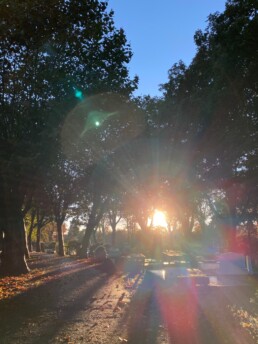
He found the warmth of the sunshine after the early morning mist
in love itself.
He found on that road the nourishment of love.
He walked it through love and carried love with him & in him,
along the line.
As he carried on with his road, he encountered humans,
and each encounter, he gave them a little of that love.
It took different shapes and forms; it mutated, adjusted,
and it became lessons for those he encountered —
all from a place of love and in the name of love.
Yet, he never understood contribution to their lives
and kept on losing people.
He, on that road, started blaming himself —
he should do better, be better, connect better, engage better —
and he continued his journey on that road with love in his heart.
He walked a lonely road, the road that many people of his kind knew.
He walked on this lonely road with love onboard the journey,
in his heart, in his being, and luminously from his spirit.
Every phase of the road which he crosses — new people met,
and new people lost along the road.
He’s seen the trees fruit, blossom, by shorten & decay,
the seasons change over and again, the humans shift and change —
he’s lost so many along the way, so many to count.
And he marched on through the thought of nothing was present in him.
But nonetheless, he marched on.
He reached a valley — valley of abundant love — and in that valley…
Part 2 — The Valley
…He reached a valley — valley of abundant love.
In that valley lived a man who has also been seeking out he.
As he entered the valley, he took permission to dwell there.
The abundance of love & warmth and of equanimity embraced him.
The man embraced him and welcomed him in his abundant valley.
They dwelled happily for a few years.
Yet, the valley diminished in its abundance gradually and slowly.
The valley, exploited by these two men, had her wells drying up,
her skies turning grim, and her trees going into long and everlasting sleep.
Yet, they still held onto the love they gained from the valley
and decided to revive the love in her.
With time, both men had tired out of love,
and the valley could not be revived.
Their love had diminished to no return.
Their joy had walked away from them,
and they were left with sorrow, hurt, and heartbreak.
He left the valley with tears in his heart —
with sorrow and regret,
with pure love left behind in the man and in the valley.
He left and was reunited yet and again
with the people who left him,
or were left by him, all these years
during his time on the path.
He walked alone again —
his time in the diminished love,
all alone with not even love to share
on the course of him along the road.
He walked sad, defeated, beaten,
and destroyed by his road that led him to that valley.
Part 3 — The Walking and the Moon
He walked his road, with his luggage.
He walked with his backpack, heavy on a winter eve,
with his suitcase dark on that same winter eve,
and his side bag that held all his wishes, hopes, worries, desires, and past.
He walked terrified of what lay for him in the next turn —
of what lurks beneath his feet,
of his own breath,
of his own thoughts,
of life itself —
that life that has led him places and took him away from them.
He walks alone.
Lonely.
Terrified.
He walks because he had to walk — he must.
He has no place to go.
Very little he has he achieved in the past — or he thinks to himself.
No silver lining, no horizon to walk towards —
just him on his road, wide enough to share
but none there to share it with.
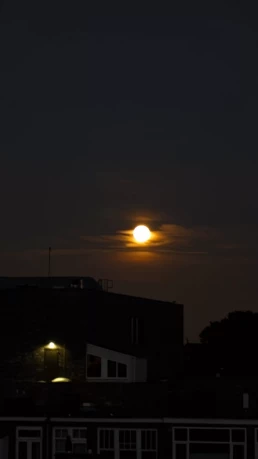
The moon, she shone upon his nights
in these winter times that even the trees slept during —
the flowers snoozed, and the shrubs and bushes took some time off —
but him, he couldn’t, he wouldn’t, he mightn’t.
He had to breathe even involuntarily —
he had to breathe,
even in the darkest days and nights,
even when the air became too thin, too heavy, too enormous —
he had to breathe.
The moon was his only counsel.
She led the way during these dark nights
and made space for the sun during the cold and frosty day times.
She shone not only onto his road but also onto his bravery —
onto his mighty existence,
onto his willingness to keep walking,
to keep moving even after all the loss,
all the sadness,
the suffering,
loneliness,
and despair.
She shone onto him.
It was personal,
it was intentional,
and it was lovely.
Part 4 — Gratitude and the Heavy Luggage
As he walked through the nights that married the days,
with the dawns and the dusks on their shoulders,
he sensed a feeling of gratitude growing within him.
Walking through the rough, yet by the kind and shy sun
he had decided, and became determined,
on cultivating this energy of gratitude further within him.
Father Sun raised his rays onto the meadows,
the darker forests, the little creeks,
and the vast valleys he walked —
with Father Sun bringing non-fear
and while he cultivated gratitude
to the multitude of conditions he’s been walking through.
He walked, and on the way he began to realize
that his luggage has been weighing him down —
dragging him more and heavier has it been
with the more time he has spent on the road.
And time — how he spent much on the roads.
Every road he walked on,
he took a memory from his memories
that linger and last.
He took one of them and walked with it.
He walked with it, stayed with it,
and felt its weight on him.
He cried with it,
and his tears watered the drought of Mother Earth.
He cried the mothers of all cries,
the fathers of all cries —
he cried till he had no tears left,
till his body became weak,
till his heart no longer beared crying,
till he could finally stop walking.
He stopped just for a while,
because his body collapsed —
out of grief, out of loss,
out of this deep memory of sadness
that came out of that memory.
He stopped just for a while.
Part 5 — Sitting in the Field of Flowers
While he stopped, he sat.
He sat out of exhaustion
out of that exhaustion that poured out of him,
from every part of him,
every cell of his body was pouring that sadness,
particularly of this exact memory.
He sat just for a little while,
and a little while longer he sat
with his memory in his two hands —
cradling it, nourishing it,
holding onto it as a precious piece of his luggage,
afraid to let it go,
terrified of keeping it,
and lost in between these two spaces.
He sat.
He sat and he hadn’t realized
that he sat in a field filled with flourishing wild flowers —
and how could he,
with all the suffering present in him
at the moment he sat.
He sat in the field of wild flourishing flowers,
cradling his memory gently sometimes
and abruptly other times
while his cries and sobbing ventured with the sound
of the bees, the birds, and the flourishing spring nature
after the snow had melted
and life started blossoming.
He sat unknowingly in a field
filled with life of interconnectedness and inter-existence,
with abundance,
with all that he had lost along the way,
what he has missed for so long,
what he thought he won’t ever experience
ever again in his journey.
He sat in that field, cradling his memory,
grabbing at its tide,
weeping at times
and contemplative at other times.
He began, tenderly, slowly, and gradually,
to realize where he was sitting.
As the pain became less,
he began to understand the depth
he has been sitting in
for a brief moment or two
or maybe three.
As the memory was mending,
as the tears that touched Mother Earth
have watered the soil around it sufficiently,
the pain in his heart became calmer,
the pain in his mind began to ease.
He realized that what he just experienced —
for the first moment since very long time,
since an eternity,
since he began to walk again —
was love.
Love for love.
Love for his memory,
for the person he was when he got hurt,
for the memory itself and its occurrence,
for the tears he cried,
for that version of him that experienced that memory,
for each cell in his body,
for each cell in the time and space of every body
that ever knew love —
he experienced love.
Love he experienced —
what he had thought that loss took away from him
and the valley of abundance.
Love — he experienced love
for his memory,
love for his pain,
love for his past,
love for what was present as it is,
with no need to change or amend.
Rejoiced by this realization,
rejoiced by love —
rejoiced by love he had not known where it came from.
Rejoiced by love,
by love,
by love —
he was rejoiced.
And soon after he looked at his belly button —
he looked there as if a crystal tied through a diamond shone through.
He looked at his belly button endlessly,
as if time itself & eternity itself —
time was not counting then,
time sat with him in that field,
time looked at him.
There was no longer time passing,
there was no longer anywhere to go
but that landing and the work
that guided his look into his belly button.
And as he looked,
as he looked for as long as he did,
it seemed like he looked into
his every cell of his being.
And as this season passed,
the butterflies migrated
and the geese and the birds were too.
He straightened his stiff neck,
he looked into the field
that had once again entered into spring,
to discover that all his life he had looked,
he had sought,
he had wandered and asked about and for love —
all the while,
every cell in his being was immersed in love.
Part 6 — The Realization of Love
And as this season passed,
the butterflies migrated
and the geese and the birds were too.
He straightened his stiff neck,
he looked into the field
that had once again entered into spring,
to discover that all his life he had looked,
he had sought,
he had wandered and asked about and for love —
all the while,
every cell in his being was immersed in love.
Enjoy my other reads:
Stop Blaming Your Parents: Turning Mindfulness into Self‑Responsibility. On this link.
Living in Peace: How to Find Inner Peace in this World? On this link.
How to Transform Self-Sabotage with Mindfulness and Love? On this link.
Emotional Identity and Pain: Who Are You Without the Struggle? On this link.
External Resources:
Zen & Engaged Buddhism:
Finding Love - Parts Five & Six: Sitting in the Field of Flowers & The Realization of Love
Part 5 — Sitting in the Field of Flowers
While he stopped, he sat.
He sat out of exhaustion
out of that exhaustion that poured out of him,
from every part of him,
every cell of his body was pouring that sadness,
particularly of this exact memory.
He sat just for a little while,
and a little while longer he sat
with his memory in his two hands —
cradling it, nourishing it,
holding onto it as a precious piece of his luggage,
afraid to let it go,
terrified of keeping it,
and lost in between these two spaces.
He sat.
He sat and he hadn’t realized
that he sat in a field filled with flourishing wild flowers —
and how could he,
with all the suffering present in him
at the moment he sat.
He sat in the field of wild flourishing flowers,
cradling his memory gently sometimes
and abruptly other times
while his cries and sobbing ventured with the sound
of the bees, the birds, and the flourishing spring nature
after the snow had melted
and life started blossoming.
He sat unknowingly in a field
filled with life of interconnectedness and inter-existence,
with abundance,
with all that he had lost along the way,
what he has missed for so long,
what he thought he won’t ever experience
ever again in his journey.
He sat in that field, cradling his memory,
grabbing at its tide,
weeping at times
and contemplative at other times.
He began, tenderly, slowly, and gradually,
to realize where he was sitting.
As the pain became less,
he began to understand the depth
he has been sitting in
for a brief moment or two
or maybe three.
As the memory was mending,
as the tears that touched Mother Earth
have watered the soil around it sufficiently,
the pain in his heart became calmer,
the pain in his mind began to ease.
He realized that what he just experienced —
for the first moment since very long time,
since an eternity,
since he began to walk again —
was love.
Love for love.
Love for his memory,
for the person he was when he got hurt,
for the memory itself and its occurrence,
for the tears he cried,
for that version of him that experienced that memory,
for each cell in his body,
for each cell in the time and space of every body
that ever knew love —
he experienced love.
Love he experienced —
what he had thought that loss took away from him
and the valley of abundance.
Love — he experienced love
for his memory,
love for his pain,
love for his past,
love for what was present as it is,
with no need to change or amend.
Rejoiced by this realization,
rejoiced by love —
rejoiced by love he had not known where it came from.
Rejoiced by love,
by love,
by love —
he was rejoiced.
And soon after he looked at his belly button —
he looked there as if a crystal tied through a diamond shone through.
He looked at his belly button endlessly,
as if time itself & eternity itself —
time was not counting then,
time sat with him in that field,
time looked at him.
There was no longer time passing,
there was no longer anywhere to go
but that landing and the work
that guided his look into his belly button.
And as he looked,
as he looked for as long as he did,
it seemed like he looked into
his every cell of his being.
And as this season passed,
the butterflies migrated
and the geese and the birds were too.
He straightened his stiff neck,
he looked into the field
that had once again entered into spring,
to discover that all his life he had looked,
he had sought,
he had wandered and asked about and for love —
all the while,
every cell in his being was immersed in love.
Part 6 — The Realization of Love
And as this season passed,
the butterflies migrated
and the geese and the birds were too.
He straightened his stiff neck,
he looked into the field
that had once again entered into spring,
to discover that all his life he had looked,
he had sought,
he had wandered and asked about and for love —
all the while,
every cell in his being was immersed in love.
Enjoy my other reads:
Stop Blaming Your Parents: Turning Mindfulness into Self‑Responsibility. On this link.
Living in Peace: How to Find Inner Peace in this World? On this link.
How to Transform Self-Sabotage with Mindfulness and Love? On this link.
Emotional Identity and Pain: Who Are You Without the Struggle? On this link.
External Resources:
Zen & Engaged Buddhism:
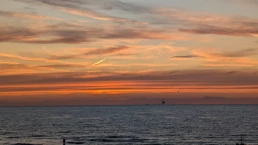
Finding Love - Part Four: Gratitude and the Heavy Luggage
Part 4 — Gratitude and the Heavy Luggage
As he walked through the nights that married the days,
with the dawns and the dusks on their shoulders,
he sensed a feeling of gratitude growing within him.
Walking through the rough, yet by the kind and shy sun
he had decided, and became determined,
on cultivating this energy of gratitude further within him.
Father Sun raised his rays onto the meadows,
the darker forests, the little creeks,
and the vast valleys he walked —
with Father Sun bringing non-fear
and while he cultivated gratitude
to the multitude of conditions he’s been walking through.
He walked, and on the way he began to realize
that his luggage has been weighing him down —
dragging him more and heavier has it been
with the more time he has spent on the road.
And time — how he spent much on the roads.
Every road he walked on,
he took a memory from his memories
that linger and last.
He took one of them and walked with it.
He walked with it, stayed with it,
and felt its weight on him.
He cried with it,
and his tears watered the drought of Mother Earth.
He cried the mothers of all cries,
the fathers of all cries —
he cried till he had no tears left,
till his body became weak,
till his heart no longer beared crying,
till he could finally stop walking.
He stopped just for a while,
because his body collapsed —
out of grief, out of loss,
out of this deep memory of sadness
that came out of that memory.
He stopped just for a while.
Enjoy my other reads:
Stop Blaming Your Parents: Turning Mindfulness into Self‑Responsibility. On this link.
Living in Peace: How to Find Inner Peace in this World? On this link.
How to Transform Self-Sabotage with Mindfulness and Love? On this link.
Emotional Identity and Pain: Who Are You Without the Struggle? On this link.
External Resources:
Zen & Engaged Buddhism:
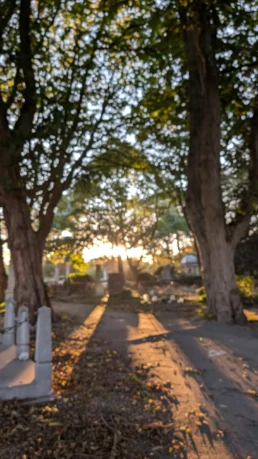
Finding Love - Part Three: The Walking and the Moon
Part 3 — The Walking and the Moon
He walked his road, with his luggage.
He walked with his backpack, heavy on a winter eve,
with his suitcase dark on that same winter eve,
and his side bag that held all his wishes, hopes, worries, desires, and past.
He walked terrified of what lay for him in the next turn —
of what lurks beneath his feet,
of his own breath,
of his own thoughts,
of life itself —
that life that has led him places and took him away from them.
He walks alone.
Lonely.
Terrified.
He walks because he had to walk — he must.
He has no place to go.
Very little he has he achieved in the past — or he thinks to himself.
No silver lining, no horizon to walk towards —
just him on his road, wide enough to share
but none there to share it with.
The moon, she shone upon his nights
in these winter times that even the trees slept during —
the flowers snoozed, and the shrubs and bushes took some time off —
but him, he couldn’t, he wouldn’t, he mightn’t.
He had to breathe even involuntarily —
he had to breathe,
even in the darkest days and nights,
even when the air became too thin, too heavy, too enormous —
he had to breathe.
The moon was his only counsel.
She led the way during these dark nights
and made space for the sun during the cold and frosty day times.
She shone not only onto his road but also onto his bravery —
onto his mighty existence,
onto his willingness to keep walking,
to keep moving even after all the loss,
all the sadness,
the suffering,
loneliness,
and despair.
She shone onto him.
It was personal,
it was intentional,
and it was lovely.
Enjoy my other reads:
Stop Blaming Your Parents: Turning Mindfulness into Self‑Responsibility. On this link.
Living in Peace: How to Find Inner Peace in this World? On this link.
How to Transform Self-Sabotage with Mindfulness and Love? On this link.
Emotional Identity and Pain: Who Are You Without the Struggle? On this link.
External Resources:
Zen & Engaged Buddhism:
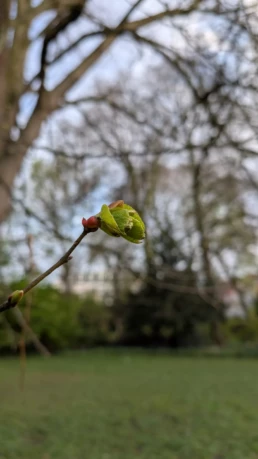
Finding Love - Part One: The Road
Part 1 — The Road
As he walked the road, he found all that life could offer.
He found the fruits of all the trees, the animals of all of nature,
the drinks of all that grapes, barley, and the botanicals had to offer.
He found down that road sunshine and blue skies, warmth and livelihood,
joy and excitement; he found love.
He found the feeling of love on that road.
He found the sensation of love; he found love in its entirety
the early signs of love, the smiles, the comfort in one’s self,
the resting in the present moment.
He found the warmth of the sunshine after the early morning mist
in love itself.
He found on that road the nourishment of love.
He walked it through love and carried love with him & in him,
along the line.
As he carried on with his road, he encountered humans,
and each encounter, he gave them a little of that love.
It took different shapes and forms; it mutated, adjusted,
and it became lessons for those he encountered —
all from a place of love and in the name of love.
Yet, he never understood contribution to their lives
and kept on losing people.
He, on that road, started blaming himself —
he should do better, be better, connect better, engage better —
and he continued his journey on that road with love in his heart.
He walked a lonely road, the road that many people of his kind knew.
He walked on this lonely road with love onboard the journey,
in his heart, in his being, and luminously from his spirit.
Every phase of the road which he crosses — new people met,
and new people lost along the road.
He’s seen the trees fruit, blossom, by shorten & decay,
the seasons change over and again, the humans shift and change —
he’s lost so many along the way, so many to count.
And he marched on through the thought of nothing was present in him.
But nonetheless, he marched on.
He reached a valley — valley of abundant love — and in that valley…
Enjoy my other reads:
Stop Blaming Your Parents: Turning Mindfulness into Self‑Responsibility. On this link.
Living in Peace: How to Find Inner Peace in this World? On this link.
How to Transform Self-Sabotage with Mindfulness and Love? On this link.
Emotional Identity and Pain: Who Are You Without the Struggle? On this link.
External Resources:
Zen & Engaged Buddhism:
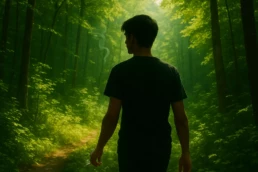
Just Before Your Next One, Read This
Next Time!
Next time you have the urge to smoke some weed, joints, tobacco… stop for ten seconds. Breathe, for ten seconds. Might you be numbing your pain by smoking it away?
My Story with Smoking
When I first started smoking joints, I told myself I was just doing it because it helped me sleep. Just a few puffs before bed, every night. And every night it was, for such a long, long time… What began as a few puffs started becoming a habit, and what became a habit started causing anxiety. I was lying in bed for hours with racing thoughts, fast breath, and sleepless nights. Yet, I still did it.
What Was Going On?
Reflecting on that period in my life, I realized that I was simply unhappy. I was surviving in living rather than living from a place of strength, love, and presence. Although I was surrounded by a loving relationship, I was still not satisfied with who I was, my own history, and what I thought of myself.
So, What Was I Doing?
I was literally numbing whatever was going on inside of me. I pretended that everything was fine, but in fact, I had a lot of shadow work waiting on a list. And the only way I could hold it off was by numbing it. I tried to smoke it away. And that was no fun. At a certain point, my body stopped accepting it: the anxiety, the smell intolerance, the coughing…
Numbing pain with smoking and where to begin?
What worked for me was finding out the reason why I smoked. And when I realized the reason, I committed to myself to start working on it. Whether through self-learning, journaling, books, coaching, or therapy, I did the work. And the work isn’t fun. It’s tough work. And I also realized how important this work is for my own happiness and wellbeing and for those around me.
Just Before Your Next One, Read This
Next time you have the urge for some “fun” or some “relax chill time,” please just check your intention. Is there hidden pain there that needs your attention? Might there be something inside you asking for attention? Maybe it’s time for you to have a look, no matter what the price is.
One glance at a time. One step at a time. At your own pace.
Enjoy my other reads:
Stop Blaming Your Parents: Turning Mindfulness into Self‑Responsibility. On this link.
Living in Peace: How to Find Inner Peace in this World? On this link.
How to Transform Self-Sabotage with Mindfulness and Love? On this link.
Emotional Identity and Pain: Who Are You Without the Struggle? On this link.
External Resources:
Zen & Engaged Buddhism:
War Begins Again When Those Left Behind Try to Live
A Brief History
I was born in 1988, during the brutal final stretch of the Lebanese Civil War — a war that raged from 1975 to 1990. Those last years were chaos: factions fighting for power, influence, and survival, while ordinary people tried to cling to life.
Away from the politics and headlines, a child was born that year — nameless for months until my late aunt gave me my name: Ashraf.
War Begins Again When Those Left Behind Try to Live
As a child, I never understood why I felt so anxious, restless, and disconnected. Wherever I was, I wanted to go home. To feel safe. I couldn’t explain it, and no one — not even my parents — could see it.
I remember feeling trapped inside my own skin, wanting to crawl out of my shoes, my clothes, my body, to escape that unnamed tension humming inside me. I didn’t know it then, but that was my first inheritance from the war.
My Mother’s Fear, My Fear – Born in War
That fear wasn’t just mine — it was hers.
When she was pregnant with me, bombs were falling on our village. She and my family fled into a bunker, carrying that terror in their bodies. She used to say, “That was the norm back then.” But trauma doesn’t disappear just because we normalize it. It buries itself deep.
And I carried it with me, even before I was born. That constant hypervigilance — that readiness to run, to hide, to never fully rest — became my quiet companion.
Growing Up in the Shadow
In school, I was bullied for years. I didn’t understand why it had to be me, or why I kept it to myself, never telling my parents. Something in me couldn’t connect, couldn’t interact, couldn’t live the life I quietly fantasized about.
Until I was eighteen, I felt like I was always on the run — under attack, unsafe, unprotected, and always alert to flee. That feeling shaped me in ways I still uncover.
War, Again
In 2006, war found me again. Israel’s assault on Lebanon didn’t just shake the ground around me — it shook something deep inside me, something that had been waiting since birth.
Living through that second war carved new layers onto old wounds. It taught me how deeply war embeds itself in the body and how long it lingers after the bombs stop falling.
The Cost of War
I share this reflection now, as wars erupt across the world, to remind us: every war scars generations.
When we support war — actively or silently — we do more than destroy lives in the present. We strip ourselves of our humanity and forgo our kindness, empathy, integrity, and peace and all our values, not just from others, but from ourselves.
We hand that suffering to our children, and they to theirs. And those we’ve inflicted violence on? They carry it forward too. This is how war sustains itself — a vicious cycle of trauma and retribution passed down, generation to generation.
A Call to Reflect
I think of the children of Ukraine. The children of Palestine.
What are the chances they will grow up without anger, without hatred, without a desire for revenge? What are the chances that this cycle won’t repeat, fed by our silence, our support, our detachment?
My story is just one thread in this tapestry.
I leave you with this to reflect:
War doesn’t end when the bombs stop. It begins again when those left behind try to live.
Enjoy my other reads:
Recover Your Sovereignty: On this link.
Stop Blaming Your Parents: Turning Mindfulness into Self‑Responsibility. On this link.
Living in Peace: How to Find Inner Peace in this World? On this link.
How to Transform Self-Sabotage with Mindfulness and Love? On this link.
Emotional Identity and Pain: Who Are You Without the Struggle? On this link.
External Resources:
Zen & Engaged Buddhism:

Without Our Triggers, Our Growth is Hindered
Mindfulness of our Triggers Help us Grow
For many years, I thought avoiding certain people was a sign of growth — less triggered, less agitated, less angry. But in reality, I was only avoiding what was already present inside me. I was burying it as deep as possible in my consciousness, convincing myself that if I didn’t look at it, it didn’t exist. As I brought mindfulness into my triggers and the benefit I got from being triggers, my perspective changes.
Not being Triggered was Great!
I enjoyed not being triggered because I didn’t have to face my negative emotions — my frustration and anger from my teenage years, my fear of abandonment from childhood, my deep need to control everything to feel safe, a need shaped by being born into and witnessing war in Beirut.
For a long time, it felt like these experiences didn’t exist anymore. I told myself I was fine — life was fine. But deep inside, I was unhappy. Something was missing.
Progress v/s Hindrance
What I thought was progress in my personal development was really just a lens I wore — an illusion that required little effort and brought no real transformation. Looking back, those were not forward steps but backward ones, keeping me further away from the work of truly knowing myself, my experiences, their impact, and how all of it shaped the human being I am today.
Years later, I was lucky enough to meet my ex-partner — someone who held up a mirror to me. That relationship became an invitation to grow, to reflect, to question.
Gabor Maté teaches that relationships are meant to trigger us — not to harm us, but to reveal our patterns and pain. Looking back, I feel grateful. That relationship helped me break down the walls I had built and begin to release the compartmentalization of my feelings.
Understanding Triggers with Mindfulness
Triggers, especially those brought by other people, are invitations to self-reflect.
Instead of reacting, we can pause and become curious:
“Interesting that I had this reaction to their behavior. What is being triggered in me?”
“What past experience does this feeling remind me of?”
For me, a trigger is a reaction that feels disproportionate to the situation — like my response has a deeper story behind it.
For example, I might have a political opinion, but when triggered, my opinion becomes much more intense. That intensity is a cue for me to ask myself:
“Where does this intensity come from?”
“What feelings are fueling it?”
“What old experiences are being replayed in this moment?”
Facing What We Bury
Triggers are all around us. Ignoring them doesn’t make them disappear — it only buries them deeper, where they can grow toxic and chronic.
When we learn to embrace our triggers with curiosity, we create an opening. That opening lets us grow, heal, and move toward a more peaceful mind and body.
It’s not easy work. But it’s the work that brings us home to ourselves.
Enjoy my other reads:
Recover Your Sovereignty: On this link.
Stop Blaming Your Parents: Turning Mindfulness into Self‑Responsibility. On this link.
Living in Peace: How to Find Inner Peace in this World? On this link.
How to Transform Self-Sabotage with Mindfulness and Love? On this link.
Emotional Identity and Pain: Who Are You Without the Struggle? On this link.
External Resources:
Zen & Engaged Buddhism: